
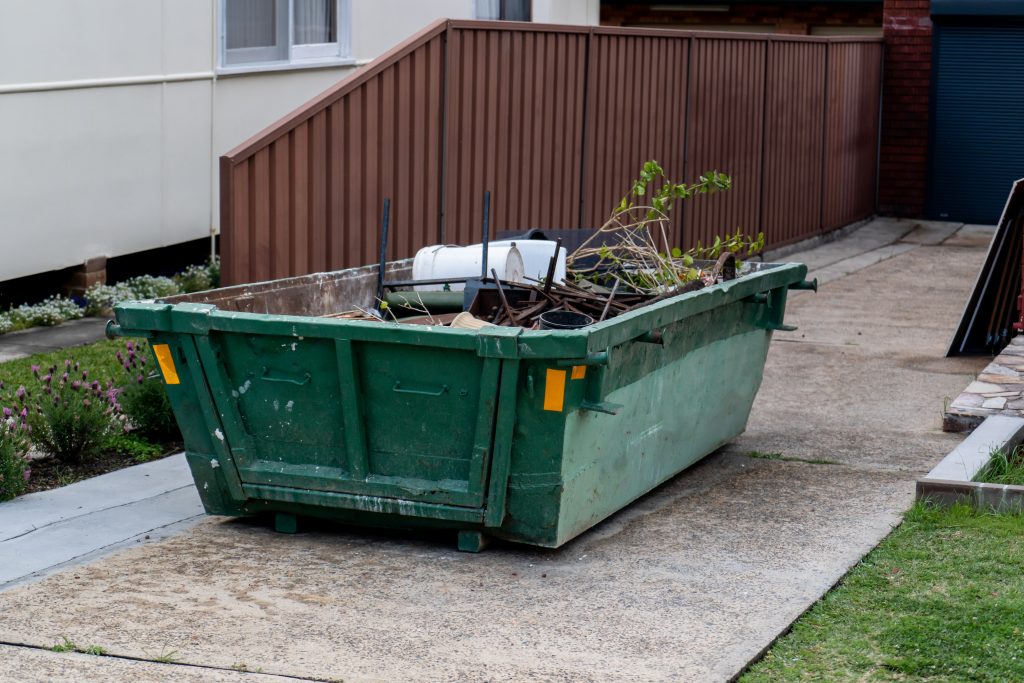
Will a Dumpster Damage My Driveway? Simple Steps to Protect Your Property
Planning a major home renovation, roof replacement, or seasonal yard cleanup brings plenty of excitement. Getting rid of old materials opens up space and makes room for fresh updates. However, many property owners feel a sudden wave of anxiety right before the delivery truck arrives. You look at your freshly paved asphalt, stamped concrete, or custom interlock brick and start to worry. Will a dumpster damage my driveway when the driver sets that heavy steel box down?
The short answer is yes, a heavy steel container has the potential to leave scratches, cracks, or deep ruts if you place it directly onto bare pavement. The good news is that property damage is almost entirely preventable. With basic preparation and the right placement techniques, your driveway will remain completely unharmed throughout your cleanup project.
How Heavy Waste Containers Impact Different Surfaces
Different surface materials react to heavy weight in unique ways. Understanding how your specific driveway material responds to high pressure helps you choose the proper precautions.
- Asphalt: This flexible material expands and softens under direct sun. Heavy steel wheels can press deep grooves into warm asphalt.
- Standard Concrete: Concrete handles high compressive loads well, but it lacks flexibility. Uneven weight distribution can snap slabs along existing expansion joints.
- Stamped Concrete: Decorative patterns feature raised edges and custom sealers. Steel bin edges can easily chip or scratch these sensitive surfaces.
- Interlock Pavers: Individual bricks rest on a compacted sand base. Concentrated weight can cause specific pavers to sink, creating uneven dips in your driveway.
- Gravel or Dirt: Unpaved surfaces can turn soft after rain, causing bin wheels to sink several inches into wet ground.
Knowing these material tendencies allows you to guard your surface effectively before the delivery truck enters your neighbourhood.
The Main Causes of Property Damage During Bin Delivery
Disposal containers weigh several thousand pounds when completely empty. Once you fill them with concrete, drywall, or old roofing materials, that weight doubles or triples. Understanding the primary risk factors keeps your surface safe.
| Risk Factor | How It Hurts Your Driveway | Primary Surfaces at Risk |
| Concentrated Weight | Cracks rigid slabs and shifts sand-backed pavers | Concrete & Interlock Brick |
| Summer Heat | Softens asphalt binder, causing deep tire ruts | Paved Asphalt |
| Dragging on Drop-Off | Strips protective sealers and gouges topcoats | Stamped Concrete & Asphalt |
Weight Pressure and Load Distribution
The primary danger to any paved surface is concentrated weight resting on small contact points. Standard disposal bins rest on small steel rollers or narrow metal rails.
When a loaded bin sits on those thin metal points, thousands of kilograms press directly against a tiny square area of your driveway. Unreinforced concrete can flex under this concentrated load, resulting in structural cracks that cost thousands of dollars to repair.
Summer Heat and Soft Asphalt Vulnerabilities
Canadian summers bring high temperatures that soften asphalt driveways significantly. Ambient heat combined with direct sunlight makes the dark binder material pliable.
If a steel bin sits on hot asphalt for a week, the weight slowly forces the metal rollers downward. This leaves permanent circular indentations or deep tire tracks that pool water during rainstorms.

Driver Dragging vs Precision Placement
The way a driver lowers the container makes a massive difference. Rushed or inexperienced drivers may drop the front edge of the container onto the pavement and drag it into final position.
Dragging steel across concrete strips away protective sealcoat layers and leaves dark metal streaks. A skilled driver lowers the bin gently, placing it straight down without dragging the container across your property.
Simple Steps to Protect Driveway From Dumpster Rental Delivery
Protecting your property does not require expensive equipment or complicated construction work. A few simple steps completed before delivery day will insulate your surface from heavy pressure.
Step 1: Lay Down Proper Wooden Protection
The absolute best way to shield your pavement is by placing wooden boards beneath the container contact points. Wood acts as a shock absorber and spreads the downward force across a wider surface area.
- Obtain two sturdy wooden boards, such as 2×6 construction lumber or 3/4-inch exterior plywood sheets.
- Lay the planks parallel to each other where the bin rollers or support rails will land.
- Ensure the boards extend at least 30 centimetres beyond the front and back of the contact area.
- Check that the wood rests completely flat on the ground without teetering over bumps.
When the truck driver lowers the container, the steel rails land on the timber instead of your pavement. The boards absorb the initial shock and distribute the weight safely.
Step 2: Clear the Drop Zone and Overhead Space
A delivery truck requires room to maneuver safely. Clearing surrounding obstacles prevents accidental scrapes to homes, fences, or parked vehicles.
- Move all personal vehicles, trailers, bicycles, and lawn equipment out of the driveway.
- Trim back low-hanging tree branches that extend over the delivery path.
- Ensure overhead utility wires clear at least 4.5 metres of vertical space for the hoisted truck bed.
- Sweep away loose gravel, acorns, or small stones from the board placement area so they are not crushed into the pavement.
Providing clean ground and clear vertical space allows the driver to focus on accurate bin placement.

Step 3: Match Your Bin Size to the Project
Renting a container that fits your actual waste volume prevents overloading and unnecessary weight strain. Choosing the right container style also simplifies placement in tight spaces.
- 5-Yard to 12-Yard Bins: Ideal for small bathroom updates, heavy dirt, concrete, or light home decluttering.
- 12-Yard to 20-Yard Bins: Great for full kitchen remodels, roof replacements, or major house cleanouts.
- Compact Bin Designs: Small-footprint containers fit easily onto single-car driveways without blocking walkways.
If you are tackling home organization alongside your renovation, consider following tips on simple ways to get rid of clutter to sort items before throwing them away. Sorting items beforehand helps you estimate total waste volume accurately so you do not rent an oversized container.
To find the perfect fit for your residential property, look into a versatile roll-off bin designed specifically for driveway safety.
| Bin Size | Recommended Project | Weight Risk Level |
| 5-Yard | Dirt, Concrete, Masonry | 🔴 High (Dense Weight) |
| 12-Yard | Bathroom Remodel, Yard Waste | 🟡 Moderate |
| 20-Yard | Roofing, Full House Cleanout | 🟠 Moderate to High |
Step 4: Communicate Special Ground Conditions
Every driveway has unique features that a driver cannot see from inside the cab. Informing your hauler about potential hazards helps them take extra precautions.
- Mention if your driveway sits over a septic tank, sprinkler line, or underground drain pipe.
- Alert the company if your driveway features a steep slope or sharp side curve.
- Point out any existing cracks or weak spots so the driver avoids placing wheels over those areas.
Professional drivers appreciate advance notice and will adjust their drop-off strategy accordingly.
Smart Loading Practices to Prevent Mid-Project Cracks
How you pack your container during your rental period plays a huge role in property safety. Careless loading shifts the balance of weight, putting excessive force on a single corner of your driveway.
- Distribute heavy waste materials evenly across the bottom floor of the container.
- Place heavy items like timber, appliances, or drywall flat rather than stacking them against one side.
- Keep dense materials like concrete, brick, or wet soil restricted to lower levels.
- Avoid piling debris above the top wall edge, as loose items can fall during pickup.
Balanced loading keeps the container stable, protecting both your driveway surface and the hoisting truck during removal.
Choosing a Careful Local Delivery Service in Ontario
The final safeguard for your property is hiring a waste disposal company that respects your home. A professional hauler prioritizes safety, uses well-maintained equipment, and places safety boards without hesitation.
Look for a service provider that offers friendly driver communication and flexible scheduling. When local operators care about your neighborhood, they treat your property with the same caution they would use on their own homes.
If you have questions about bin dimensions or need advice on protecting your surface, contact Diamond Disposal to speak with a local expert today. Taking a few moments to prepare your driveway guarantees a smooth, worry-free disposal experience from drop-off to final pickup.
FAQs
Can a 20-yard dumpster crack my concrete driveway?
Yes, a loaded 20-yard container can crack concrete if it rests directly on bare pavement or sits over existing hairline fractures. You can prevent structural cracking by placing 2×6 timber or thick plywood boards underneath the bin rails to spread out the weight.
What should I lay on my driveway before dumpster delivery?
Lay down two parallel lines of thick wooden boards, such as 2×6 construction timber or 3/4-inch exterior plywood. Position the boards where the steel wheels or rails of the container will rest to prevent scratches and gouges.
Will a rental bin leave marks on hot asphalt?
Yes, summer heat softens asphalt, allowing heavy metal wheels to leave deep indents or tire tracks. Placing wide wooden boards under the container contact points keeps the wheels from sinking into warm pavement.
Do delivery drivers put boards down for you?
Some professional haulers place protective wooden boards during delivery, but you should always prepare your own 2×6 planks or plywood beforehand. Laying down boards prior to driver arrival ensures your driveway is fully protected regardless of company policy.