
How to Prep Your Garage Before the First Snowfall
Late autumn in Southwestern Ontario signals the arrival of chilly mornings and frosty windshields. Standing outside at seven in the morning scraping ice off your car while a cold wind cuts through your jacket is an unpleasant experience.
Parking your vehicle inside a dry space protects it from heavy snowfall and ice build-up. However, garages across St. Marys and Stratford often turn into dumping grounds during warmer months. Broken lawn chairs, leftover renovation lumber, rusted garden tools, and forgotten boxes accumulate along side walls and floor space.
Clearing this built-up clutter before the first freeze transforms a chaotic storage area back into a functional space. Booking a garage cleanout bin rental simplifies this transition, letting you dump bulky rubbish in one place without driving back and forth to regional disposal sites.
The Pre-Winter Garage Dilemma in Southwestern Ontario
Garages represent valuable real estate on any residential property. Over spring and summer, these spaces catch everything that lacks an indoor home. Camping equipment gets dropped near the entrance, lawn care supplies pile up, and DIY project scraps gather in corners.
When November rolls around, cold weather catches many homeowners unprepared. Reclaiming that covered parking bay requires dedicated effort, but working efficiently turns an overwhelming job into a manageable weekend project.

Stop Scraping Ice Every Morning
Scraping frozen windshields wastes time and burns extra fuel during cold starts. Parking indoors preserves your car battery, extends wiper blade lifespan, and saves precious minutes during busy morning commutes.
Snow accumulation around tires and underbodies also leads to rust formation over time. Keeping your vehicle protected indoors cuts down on winter maintenance issues and preserves paint finishes against harsh road salt spray.
A Practical Plan for Decluttering Your Space
Facing a floor-to-ceiling mountain of boxes and lawn equipment causes immediate decision fatigue. Success starts with systematic decluttering techniques that break the job into small, achievable steps.

Sorting Materials Efficiently
Clear a small staging area on your driveway on a dry weekend morning. Pull items out section by section rather than emptying the whole garage at once.
Organize items into four clear zones:
- Keep: Functional items used regularly, such as active winter tools, snow shovels, and ice melt bags.
- Donate: Working sports equipment, undamaged bicycles, and solid furniture ready for a new home.
- Recycle: Clean scrap metal, empty cardboard containers, and hard plastic storage totes.
- Dispose: Broken, rotted, or water-damaged materials that no longer serve a purpose.
Working methodically through one wall at a time keeps your driveway organized and stops clutter from spreading across your lawn.
Deciding What Stays and What Goes
Be honest about what you actually use. That broken lawnmower sitting in the corner for three years likely costs more to fix than replace.
A simple rule works best: if an item has remained untouched for twelve months and holds no sentimental value, it should be cleared out. Old carpet roll remnants, swollen particleboard shelving, and cracked plastic pots take up valuable room that belongs to your car.
If you plan a deeper property clearout that extends to interior living spaces, arranging specialized deep cleaning services helps clean settled dust after heavy junk removal.
Selecting the Right Container Size for Your Project
Choosing an appropriate container size keeps your project moving smoothly without paying for space you will not use.
5-Yard Bins for Small Clearouts
A 5-yard bin fits comfortably on short driveways while holding plenty of household clutter. This size works well for homeowners who maintain organized spaces but need to clear out accumulated items like old sporting goods, broken patio furniture, or smaller cardboard boxes.
Compact containers sit low to the ground, making loading easy for a single worker. They allow quick disposal without taking up your entire parking spot.
10-Yard and 12-Yard Bins for Large Space Upgrades
If your space holds decades of accumulated timber, old workbench units, or structural debris from past renovations, stepping up in size makes sense.
A 10-yard or 12-yard container accommodates bulky items easily:
- Demolished wooden shelving units and old workbenches
- Rolled carpet remnants and thick underlayment
- Broken metal cabinets and discarded lawn equipment
- Large plastic play sets and broken outdoor storage sheds
Using a larger container ensures everything gets loaded in a single haul. Check detailed dimension guides on our roll-off bin specifications page to match a container to your driveway space.
What Can Go Into Your Container vs What Needs Special Care
Disposal facilities operate under strict provincial regulations regarding waste sorting. Knowing what belongs in your container avoids unexpected sorting fees at the transfer station.
Accepted Residential Cleanout Materials
Most solid waste generated during a residential cleanout goes straight into your container without issue.
Common acceptable items include:
- Old wooden furniture, chairs, and tables
- Framing lumber, plywood scraps, and drywall
- Scrap metal, steel pipes, and aluminum framing
- Plastic storage bins, toys, and garden planters
- Textiles, worn rugs, and old mattresses
Loading heavier items on the bottom and stacking lighter boxes on top maximizes interior volume.
Off-Limits Liquids and Chemicals
Garages often store liquid chemicals that require specialized processing. Disposal depots reject containers contaminated with liquid or toxic materials to protect regional groundwater systems.
Prohibited items to set aside:
- Liquid Paint: Latex and oil paints must be dried completely using paint hardeners or delivered to liquid waste depots.
- Automotive Fluids: Used motor oil, engine coolant, and brake fluid require specialized recycling centers.
- Batteries: Lead-acid car batteries and lithium power tool packs belong at designated battery drop-off points.
- Pressurized Tanks: Propane cylinders from barbecues present explosion risks during haulage and processing.
- Refrigerant Appliances: Fridges and freezers require professional Freon removal tags before disposal.
Set these items aside during your cleanout and drop them off at local municipal hazardous waste collection sites across Perth County.
Streamlining Your Project for Maximum Efficiency
Completing your project in a single weekend keeps your stress low and momentum high.
Tips for a smooth cleanout:
- Place protective wooden boards on asphalt or interlock brick before your bin arrives.
- Keep pathways clear between your garage door and the container to avoid trips and falls.
- Pack long items parallel to bin walls to prevent empty gaps.
- Never fill material above the top side rails to ensure safe highway transport.
Taking time to organize before tossing items into a container keeps your work area safe and ensures efficient loading.
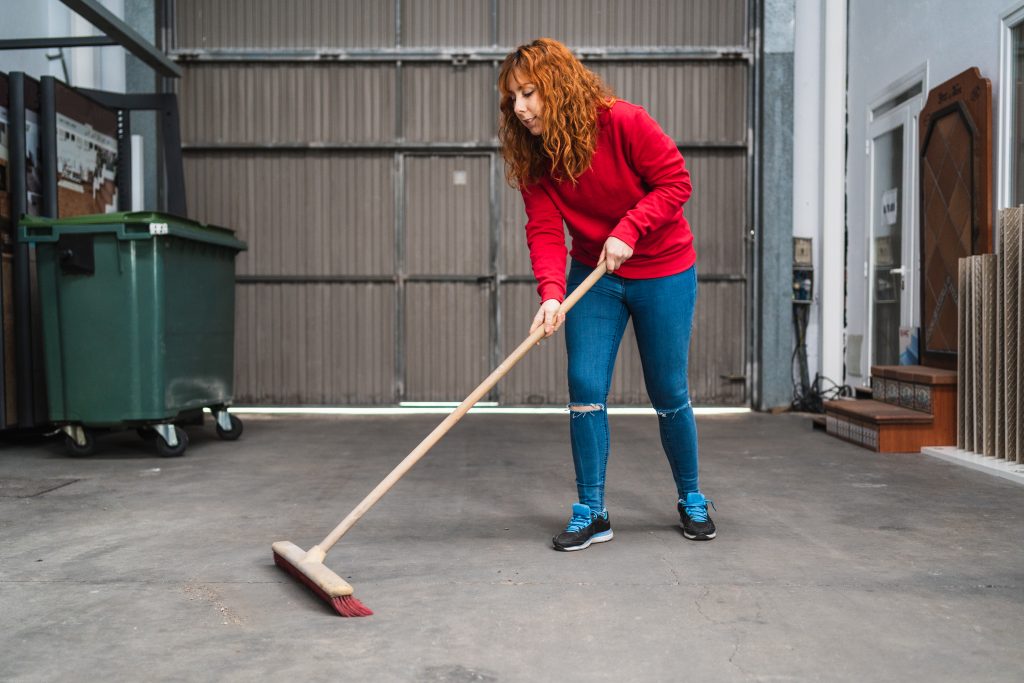
When you finish your clearout, sweeping out dirt, leaves, and salt residue leaves your concrete floor prepped for the winter months ahead. If you have questions about scheduling delivery or selecting the right container size for your driveway, please contact our team to prepare your property before winter weather arrives.
FAQs
- How far in advance should I book my container before snowfall?
Booking 3 to 5 days ahead ensures delivery before major autumn storms arrive. Early planning guarantees container availability during peak seasonal demand. - Will a disposal container damage my residential driveway surface?
Placing wooden boards underneath the container roller feet protects asphalt, concrete, and interlock brick from scratches or pressure marks. - How high can I fill the container during a garage clearout?
Loads must remain level with the top edge of the container side walls. Overfilled containers cannot be transported safely on public roads. - Can I put old tires in the container if they are off the rims?
No. Ontario provincial regulations prohibit tires in standard waste containers. Return old tires to registered tire retailers or local automotive shops for recycling.