
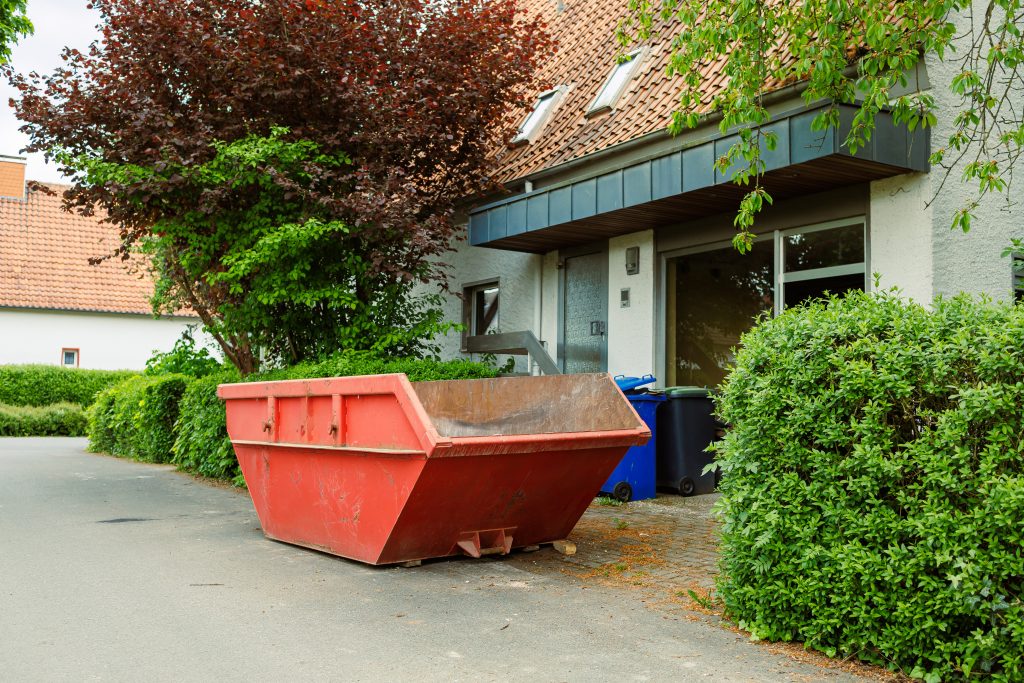
Dumpster Rental Delivery Day: What to Expect and How to Prepare
If you’re renting a bin for the first time, it’s normal to feel a little on edge. You’re thinking about timing, space, your driveway, and whether you’re about to accidentally do something “wrong.”
Here’s the good news: most dumpster delivery issues are avoidable. They come down to access, placement, and a few simple prep moves that take minutes, not hours.
What people mean when they search “dumpster delivery”
When someone searches dumpster delivery, they’re usually asking one of three things:
- What actually happens when the truck arrives?
- How do I make sure the bin can be dropped where I want it?
- What should I do so my project doesn’t get delayed?
You might also be trying to protect your property. That’s a common concern, especially with concrete, asphalt, and interlock.
The goal of this post is simple: you’ll know what to expect, what to move, where to place the bin, and how to avoid last-minute stress.
Dumpster rental Ontario: what to confirm before delivery day
In Ontario, the “right” setup depends on your driveway, access, and where the bin is going.
Before delivery day, confirm these items with your provider:
- Where the bin will be placed (driveway, lane, job site, or street)
- Any access limitations (tight turns, low branches, narrow laneways)
- The approximate delivery window and what happens if access is blocked
- What materials are allowed and what must stay out
This quick confirmation step matters because recycling rules and waste systems can differ across the province. Ontario’s Blue Box framework is also evolving under provincial regulation, which is one reason you’ll see program differences by location.
Where the bin should go
Choosing the drop spot is the biggest “make or break” moment for a smooth delivery.
A good spot is:
- Flat and stable
- Easy for the truck to reach in one approach
- Clear of overhead obstacles (branches, wires, eaves)
- Clear of tight pinch points (parked cars, fences, retaining walls)

Driveway vs street vs job site
Most homeowners aim for the driveway because it’s convenient. That usually works well if there’s enough room for the truck to back in safely and set the bin down.
Street placement can be possible in some areas, but it may involve extra rules. If you’re considering that, confirm local requirements and talk it through with your provider ahead of time.
For renovation and construction sites, the best spot is often the one that keeps workers moving without walking debris across the entire property.
Protecting concrete, asphalt, and interlock
If you’re worried about marks, chips, or surface wear, a common approach is to place plywood or boards under the contact points where the bin will sit. Many dumpster prep guides recommend plywood or planks as a practical way to help protect the surface from scratches and concentrated weight.
A few practical tips that help:
- Use plywood sheets wide enough to create a stable base
- Avoid placing the bin on soft ground where it could sink
- Keep the drop zone dry and clear when possible
If you’re unsure whether you need protection boards, ask your provider what they recommend for your surface type.
What to expect on delivery day
Delivery day is usually quick. The truck arrives, positions, places the bin, and heads out.
What can slow it down is almost always access.
Access, timing windows, and safe placement
Most bin deliveries happen within a time window, not an exact minute. That’s because routes adjust based on traffic and earlier stops.
To reduce stress:
- Move vehicles out of the way early
- Keep gates open and laneways clear
- Remove items that could be hit or crushed (toys, basketball nets, bins, tools)
If the driver can’t safely access the drop zone, the bin may need to be placed somewhere else, or delivery may need to be rescheduled.
Quick questions that prevent surprises
You don’t need a long back-and-forth. A few short questions solve most issues:
- “What’s the minimum width you need for access?”
- “Do I need to be home for delivery?”
- “Can you place it on my driveway, and should I use plywood?”
- “Are there any materials you don’t accept for this bin type?”
That’s it. If you get clear answers, delivery day feels much less intimidating.
How to prep your property fast
This is where first-time renters tend to overthink it. You don’t need a perfect setup, just a safe and clear one.
Here are the fastest prep moves that help the most:
- Clear the approach path so the truck can line up without multiple attempts
- Mark the preferred spot with something simple (a cone, a pail, or a chalk outline)
- Leave extra room around the bin so you can load safely from different angles
- Keep pets and kids away from the delivery area while the truck is placing the bin
If you’re in a neighbourhood with tight driveways, consider talking to neighbours if shared access could be affected. It saves awkward moments and keeps everyone safe.

Loading tips that keep your pickup smooth
Once the bin is down, the next stress point is often pickup day. The easiest pickups happen when the load stays within the bin walls and the contents are packed safely.
A few practical habits make a big difference:
- Put heavier items in first so the load stays stable
- Break down bulky items when you can (especially long pieces)
- Keep the top edge clear so nothing sticks out above the rim
- Avoid shifting hazards like loose sharp metal on top
If you’re doing a renovation, it also helps to keep “dusty” debris from mixing into clean recyclables you’re saving aside.
Sorting mistakes that cause headaches (and why wishcycling matters)
Even on a delivery-day topic, sorting matters because it affects how smoothly your project runs. When you toss everything together “just to get it done,” you tend to create two problems:
- You lose easy recycling wins (cardboard and packaging vanish into mixed debris)
- You increase contamination risks (liquids, food residue, prohibited items)
One of the most common traps is wishcycling—putting something in the recycling stream hoping it can be recycled even when you aren’t sure. Wishcycling is widely described as a well-intentioned mistake that can contaminate loads and disrupt recycling.
Ontario’s recycling authority also describes how contamination is handled during sorting: materials that don’t belong in the Blue Box are discarded and sent to landfill.
So what does that mean for your bin rental?
- If you want to recycle, separate clean cardboard and accepted packaging before it gets dirty
- Don’t toss questionable items into “recycling” just to feel better about it
- Keep hazardous or restricted items out of the bin entirely and confirm proper disposal options
That approach reduces stress and makes your cleanup more efficient.
Why sorting decisions still matter on delivery day
Even though delivery day is mostly about placement and access, what you plan to throw into the bin still matters.
One common mistake is wishcycling — tossing items into recycling or mixed loads hoping they’ll be recyclable later. In reality, wishcycling often contaminates loads and sends otherwise recyclable material to landfill. If you’re curious about how this happens and why it’s a widespread issue, this overview explains it well:
https://en.wikipedia.org/wiki/Wishcycling
Understanding this ahead of time helps you keep questionable items out of the bin, separate clean recyclables when possible, and avoid problems during pickup and processing.
Book the right roll-off bin with Diamond Disposal
Dumpster delivery goes much more smoothly when the bin matches the job and the site is set up with delivery in mind.
If you’re planning a renovation, construction cleanup, or major cleanout, start by reviewing Diamond Disposal’s roll-off bin options to choose a size that fits your project and material type. Picking the right bin upfront helps prevent overfilling, access issues, and unnecessary delays.
If you’re unsure about placement, access space, or timing, it’s always better to ask before delivery day. You can contact Diamond Disposal to talk through your setup and get clear guidance based on your property and project.
A few minutes of planning now can mean fewer surprises, less stress, and a much smoother delivery from start to finish.
FAQs
What time will my dumpster delivery arrive?
Most deliveries happen within a time window because routes shift based on traffic and earlier stops. Clear access early so the driver can place the bin safely as soon as they arrive.
Do I need to be home for dumpster delivery?
Often, no—if the drop spot is clear and confirmed. If you want the bin in a specific position, it can help to be available by phone.
How do I protect my driveway from dumpster delivery?
Many prep guides recommend placing plywood or boards where the bin will sit to reduce the chance of scratches or surface marks.
Can I put recycling in the dumpster?
It depends on the bin type and the rules for your load. Mixing items can increase contamination. Ontario guidance explains that contaminated Blue Box material is discarded during sorting.
What items should never go in a dumpster bin?
Hazardous or restricted items (like chemicals, fuels, some batteries, and pressurized containers) often require special handling. Confirm with your provider before you load anything questionable.