

The Stratford Guide to “Extreme Recycling”: Where to Take the Stuff Your Blue Box Rejects
Managing a large household sorting project can quickly expose the limits of local municipal collection systems. Homeowners frequently assume that modern local collection programs can absorb any volume of household debris. However, the reality of strict local sorting guidelines often leaves residents stuck with large mounds of uncollectible items sitting on their properties.
If you are planning an estate transition, clearing out an old garage, or tackling a backyard demolition, relying on basic roadside collection will stall your progress. Knowing exactly how to handle specialized material prevents municipal collection rejections and costly administrative fines.
Understanding the local operational landscape helps maximize your efficiency. Targeting the correct disposal channels ensures your home project remains on track from start to finish.
St. Mary’s Cleanout Action Plan
- Sort by stream: Separate your belongings into dedicated piles for donations, recycling, and actual trash before you begin throwing things out.
- Check specialized schedules: Look up the upcoming municipal calendar dates for local hazardous waste drop-off events.
- Assess bulky volume: Take a quick inventory of large items like old carpets and heavy furniture that cannot fit into standard municipal bins.
- Verify landfill protocols: Double-check the current operational hours and card-only payment rules for the Water Street South facility.
- Secure your container: Book a driveway roll-off bin ahead of time to centralize all non-hazardous disposal in one spot.
Decoding the Automated Blue Cart Program
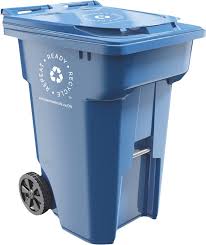
The recent transition to an Extended Producer Responsibility model has fundamentally changed how residential materials are processed across our neighborhoods. The adoption of large automated blue carts has improved collection efficiency for standard items, but it has left many homeowners confused about structural exclusions.
Materials Excluded From Residential Blue Carts
The large mechanical arms on modern collection trucks require highly uniform materials to process waste safely. Piling oversized items, rigid plastics, children’s toys, old window panes, or heavy hardcover books into these containers will result in your bin being bypassed by the contractor.
Standard Blue Cart vs. Extreme Recycling Needs:
– Approved: Aluminum cans, clean cardboard, plastic bottles, paper cartons
– Rejected: Window glass, plastic patio furniture, electronics, steel pipes
– Consequence: Bypassed pickup bins and mandatory code violation warnings
Trying to force non-conforming items into these collection streams can contaminate entire truckloads of clean recyclables. This contamination often forces processing facilities to redirect large volumes of salvageable paper and plastic directly into local landfills.
Managing the Volume Overflow Challenge
When executing a deep home organization project, the sheer volume of acceptable cardboard and packaging materials easily exceeds a single weekly allotment. Forcing additional loose bundles onto the curb alongside automated carts slows down collection routes and attracts local pests during windy days.
Property owners must actively seek out alternative drop-off points or wait consecutive weeks to slowly bleed down their accumulated waste. This administrative bottleneck can drag a simple weekend project out into a month-long logistical chore.
Where to Recycle Electronics Stratford Depot Options
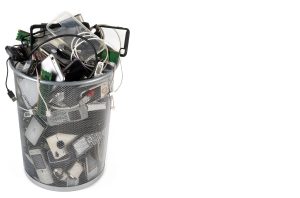
Electronic devices and internal hardware components require dedicated processing streams to keep heavy metals and toxic chemicals out of our local groundwater supply. Dumping old tech into standard garbage bins violates strict provincial conservation mandates.
Drop-Off Locations for Residential E-Waste
For residents trying to determine exactly where to recycle electronics Stratford options feature a network of accessible drop-off stations scattered across the community. These local collection depots accept residential computing equipment, televisions, outdated monitors, and small media players without charging extra disposal fees.
- Stratford Landfill Site: 777 Romeo Street South
- City Hall Annex Facility: 82 Erie Street
- Public Library Hub: 19 St. Andrew Street
- Public Works Yard: 303 King Street
Utilizing these designated municipal locations ensures that valuable circuit components, precious metals, and reusable plastics are cleanly extracted and reintroduced into the regional manufacturing supply chain.
Handling Hazardous Materials Safely
Household chemical compounds, lithium-ion batteries, fluorescent light tubes, and small propane cylinders cannot mix with standard consumer trash. The local public works division organizes targeted Household Hazardous Waste collection days at the Romeo Street facility to process these sensitive materials safely.
Key Hazardous Waste Collection Parameters:
– Drop-Off Location: 777 Romeo Street South Landfill Site
– Sample Operational Window: Selected Saturdays (9:00 a.m. to 2:00 p.m.)
– Container Limits: Maximum 20-litre capacities in original labeled packaging
– Bulk Weight Cap: Small-quantity maximum of 100 kg total per vehicle load
Arriving outside of these highly specific event windows means you will be turned away at the scale gate. This restriction forces you to store hazardous liquids in your basement or garage until the next seasonal event occurs.
The Romeo Street Landfill Restrictions and Rules
When your residential waste exceeds standard collection capabilities, driving directly to the main civic disposal yard seems like the next logical step. However, local waste facilities enforce strict rules that catch unprepared homeowners off guard.
Banned Items and Strict Tipping Fees
The municipal landfill installation at 777 Romeo Street South enforces a strict schedule of banned materials that cannot enter the primary disposal cells under any circumstances. If your residential cleanout includes heavy renovation items, you cannot drop them into standard disposal bins.
Banned Materials at 777 Romeo Street South:
– Aggregates: Concrete, brick, stone, asphalt, gravel, and natural sand
– Construction Debris: Commercial wood pallets and raw scrap metal structural beams
– Specialized Goods: Automotive tires and refrigeration units containing active freon
Loads containing these items will be rejected by site scale operators immediately. If you are hauling a mixed load that exceeds a 200 kg threshold, you will face standard tipping fees starting at $94.94 per tonne, along with a mandatory $25.00 minimum vehicle entrance fee.
The Logistical Friction of Self-Hauling Debris
Managing your own waste transit requires a significant amount of physical labor and administrative coordination. You must secure a road-safe pickup truck or an enclosed utility trailer, lift heavy objects multiple times, navigate long site queues during busy Saturday morning rushes, and pay via contactless debit or credit cards at the gate.
Key Container Features
- Walk-In Rear Doors
Allows ground-level loading for heavy sofas, appliances, and construction debris without awkward lifting. - Open-Top Design
Enables easy toss-in access for standard garbage bags, old carpets, and yard waste.
Furthermore, the facility cuts off access for heavy vehicles and larger cargo trucks promptly at 4:00 p.m. from Monday through Friday. Missing this hard cutoff window means losing your travel time and having a loaded vehicle stuck in your driveway overnight.
Simplifying Property Cleanouts With Centralized Containers
Bypassing the stress of strict municipal sorting rules, rigid landfill hours, and multi-trip vehicle logistics is easily achieved by utilizing a temporary residential container. This strategy centralizes your waste management pipeline directly at your doorstep.
Streamlining Your Next Residential Decluttering Project
A temporary driveway roll-off container allows you to discard bulky construction materials, old carpets, broken furniture, and general yard waste into a single collection vessel. You eliminate the physical strain of driving across town and waiting in line at public scales.
For property owners seeking professional strategies to coordinate a large home sorting project efficiently, review the industry-vetted decluttering tips from lifestyle experts compiled at BookScouter to speed up your room clear-outs.
Using a private roll-off bin ensures that all collected non-hazardous materials are transported directly to commercial sorting facilities. This process allows professionals to separate salvageable materials behind the scenes, keeping your personal timeline completely clear.
Cleanout Task Timeline
- Phase 1: Sorting
Identify non-hazardous trash vs. items appropriate for donation. - Phase 2: Hazardous Isolation
Separate chemicals, electronics, and batteries from raw waste. - Phase 3: Container Arrival
Position the roll-off bin safely on protective wooden planks. - Phase 4: Heavy Loading
Utilize the rear door to pack large, bulky furniture first. - Phase 5: Final Clearance
Fill remaining voids with standard bags and sweep the area clean.
Efficient Sorting Systems That Save Your Weekend
Positioning a clean container on your driveway allows you to complete your project systematically. You can slowly work your way through difficult spaces like packed attics or cluttered crawlspaces without facing strict municipal timeline pressures.
Modern residential units feature ground-level walk-in doors that allow you to carry heavy items directly into the bin instead of lifting them over high steel walls. This ergonomic layout minimizes physical fatigue and protects your back from injury during long operational days.
Once your container is filled to its safe capacity, a professional driver handles the pickup and structural transport automatically. This comprehensive approach saves your vehicle from wear and tear and preserves your weekend for the things that matter most.
FAQs
What happens if I put banned items into my driveway container?
Placing restricted goods like liquid chemicals, hazardous waste, or oil-based paints into a standard residential container can result in processing penalties from commercial sorting transfer stations. Always isolate hazardous fluids and coordinate with specialized regional collection drop-offs instead.
Can local businesses use the city recycling depot on Romeo Street?
The public recycling depot operating at the Stratford landfill site is restricted to residential waste streams managed under the provincial consumer framework. Local businesses, industrial shops, and institutional organizations must secure private commercial collection contracts to process their business waste legally.
How do I protect my driveway surface from a heavy steel container?
Experienced delivery drivers systematically place thick wooden support planks beneath the contact rollers of the roll-off container during initial site setup. This protective boundary absorbs the weight distribution smoothly, safeguarding your asphalt or interlocking stone from chips and scratches.
Where can I drop off old tires in the Stratford region?
Automotive tires are strictly banned from general landfill disposal areas across Ontario. Residents can utilize authorized automotive retail locations or specialized collection centers participating in provincial rubber diversion programs to recycle old tires free of charge.
Do I need a municipal permit to park a waste bin on my property?
If the roll-off container is positioned entirely within your private driveway boundaries or yard limits, a city encroachment permit is not required. Permits are typically mandatory only if the physical unit must block public sidewalks or occupy a standard downtown parking lane.