Maximize Recycling, Reduce Waste: A Simple Guide to Sorting Your Bin Rental
If you’ve rented a bin (or you’re about to), you’re probably thinking: “I just want the mess gone.” Totally fair.
But a little waste sorting upfront can save you time, reduce landfill waste, and lower the odds of headaches like contaminated loads or extra handling.
The goal isn’t perfection. It’s simple separation so recyclable material has a real chance of being recovered.
Why waste sorting matters for bin rentals
Most people want to recycle more. The problem is that recycling systems can’t do much with loads that are full of the wrong stuff or covered in food and liquids.
Ontario recycling guidance repeatedly flags the same issue: contamination makes recycling harder and can send otherwise good material to disposal. Circular Materials also emphasizes following local guidelines to reduce contamination and improve recycling outcomes.
Here’s what sorting helps you do:
- Keep recyclable items recoverable (clean, dry, and separated)
- Avoid mixing “special” items that require different handling
- Reduce the volume of true garbage going to landfill
- Prevent problems caused by restricted materials (like pressurized tanks or chemicals)
The 3-stream system that makes sorting easy
If sorting feels complicated, it’s usually because everything is piling up in one spot.
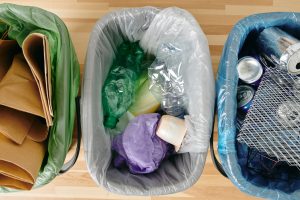
A simple fix: set up three clearly labelled streams before you start.
Stream 1 — Recycling
This is for accepted Blue Box-type materials (depending on your community): paper/fibre, metal, glass, and many plastic packaging formats.
To check Ontario’s accepted recycling materials and find local guidance, use Recycle Ontario from Circular Materials (your provided source). It’s designed to help residents understand what’s accepted and how to prepare it.
Helpful prep rules that work in most cases:
- Empty and quick-rinse containers when needed
- Keep items clean, dry, and loose
- Flatten cardboard to save space
Circular Materials’ community guidance includes tips like rinsing containers, keeping recycling clean/dry/loose, and flattening cardboard
Stream 2 — Landfill/garbage
This is for material that:
- isn’t accepted in recycling, or
- is too dirty/contaminated to recycle (think greasy food-soiled items)
Common examples:
- heavily soiled paper products
- mixed-material items that can’t be separated
- broken odds and ends that aren’t recyclable in your area
Stream 3 — Special drop-off items
This is the stream that prevents the biggest “uh oh” moments.
Typical items that often need special handling:
- batteries and electronics
- chemicals, solvents, and fuels
- paint and certain aerosols
- medical sharps
- propane tanks and other pressurized containers
Circular Materials community guidance is clear that hazardous materials (like batteries and sharps) do not belong in regular recycling and should go to designated drop-off options.
If you’re unsure, treat it as “special” until confirmed.
What goes in a dumpster vs recycling
This is where most people get stuck, because the same item can land in different places depending on what it’s made of and how clean it is.
A practical way to decide:
Recycle it when it’s:
- accepted in your local program
- mostly one material type (or clearly recyclable packaging)
- clean and dry enough not to ruin nearby items
Put it with garbage when it’s:
- contaminated (food, liquids, oily residue)
- mixed materials you can’t separate
- not accepted locally
Put it in special drop-off when it’s:
- hazardous, pressurized, or chemical-based
- electronic, battery-powered, or contains mercury/fluids
A quick “real life” example set:
- Cardboard boxes: recycle (flatten them)
- Plastic wrap and film: depends on local acceptance (check Recycle Ontario)
- Old paint cans: special drop-off (don’t guess)
- Food-covered takeout containers: usually garbage
- Metal shelving: often recyclable as metal in the right stream, but confirm based on local rules and your bin type
The top contamination mistakes that reduce recycling
Most recycling mistakes come from good intentions.
Wishcycling—tossing something in recycling “just in case”—can raise contamination and push more material to landfill.
The most common contamination culprits:
- Food and liquids left in containers
- Bagged recycling (many programs prefer loose items)
- Mixed materials (like plastic bonded to paper)
- Small loose items (they fall through sorting equipment)
- “Special” items tossed in (batteries, pressurized containers, sharps)
RPRA explains that during sorting, materials that don’t belong in the Blue Box are treated as contamination and discarded from the recycling stream.
A simple rule that helps:
If one wrong item could hurt workers, damage equipment, or spill chemicals, it belongs in special drop-off, not recycling.
How to sort fast on busy projects
Sorting doesn’t have to slow down your project. The trick is to make the right action the easiest action.
Here are quick setups that actually work.
Renovations and construction debris
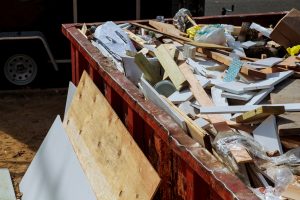
Renovation waste is often a mix of:
- clean wood
- drywall
- cardboard packaging
- plastics and wrap
- fasteners and mixed debris
Practical sorting moves:
- Keep cardboard and packaging separate right away (it piles up fast)
- Make a small bin for metal offcuts and hardware
- Keep anything dusty/dirty from contaminating clean recyclables
Moving and cleanouts
Cleanouts create mountains of “almost recyclable” items.
Fast wins:
- Break down boxes immediately
- Keep a donation pile separate (only if you can actually deliver it soon)
- Separate “special” items early: old electronics, batteries, small appliances
Yard and seasonal waste
Yard waste can be recyclable/compostable in some systems, but rules vary.
Keep yard waste:
- out of mixed loads where it soaks cardboard and paper
- away from plastics, which it tangles with
If you’re doing a big seasonal cleanup, ask your provider what they prefer for yard material, then follow local guidance.
Ontario rules change, but the basics stay the same
Ontario’s Blue Box system is shifting under the province’s Blue Box Regulation, which affects how programs are operated and funded.
Even with changes, the everyday sorting principles stay steady:
- follow accepted materials lists
- keep recyclables clean and dry
- keep hazardous/special items out of the main stream
Ontario’s broader waste approach emphasizes reducing, reusing, and recycling as part of a more circular economy.
That’s why your best move is:
- Use Recycle Ontario as your starting point (great baseline)
- Then confirm any community-specific differences
When a roll-off bin is the right move
If you’re tackling a major renovation, construction debris, or a large cleanout, a roll-off bin is often the simplest way to keep the site safe and moving.
If you’re considering that option, Diamond Disposal’s roll-off bin service is a good starting point for choosing the right bin for your material type and project size: https://diamonddisposal.ca/roll-off-bin/
What to ask before you book:
- What materials are allowed for my project type?
- Are there restricted items I should keep out?
- How should I separate recycling from general waste on site?
- What do I do with “special” items like electronics or chemicals?
Quick next step: get the right bin and avoid surprises
If you want fewer trips, less mess, and less stress, build your sorting plan before the bin arrives:
- Decide your three streams
- Label them clearly
- Keep “special” items out from day one
When you’re ready, contact Diamond Disposal to book a bin or ask what’s best for your project: https://diamonddisposal.ca/contact/
FAQs
1) What is waste sorting and why does it matter?
Waste sorting is separating materials like recycling, garbage, and special items so they can be handled properly. It matters because contamination can prevent recyclables from being recovered.
2) Can I put recycling in a dumpster or roll-off bin?
Sometimes, but it depends on how the load is processed and what your provider accepts. The safest approach is to keep clean recyclables separated and confirm rules with your bin provider.
3) What happens if I put the wrong items in recycling?
Wrong items can contaminate the stream, slow sorting, and cause otherwise good recyclables to be discarded.
4) What should I do with batteries, paint, or propane tanks?
Treat them as special drop-off items. Don’t put them in regular recycling. Circular Materials notes hazardous materials like batteries and sharps don’t belong in recycling and should go to designated drop-off.
5) Where can I check what’s accepted for recycling in Ontario?
Use Circular Materials’ Recycle Ontario resource to review accepted materials and find community guidance: https://www.circularmaterials.ca/recycleontario/